Two Floor Areas, One Property: Reconciling the EPC With the Valuation

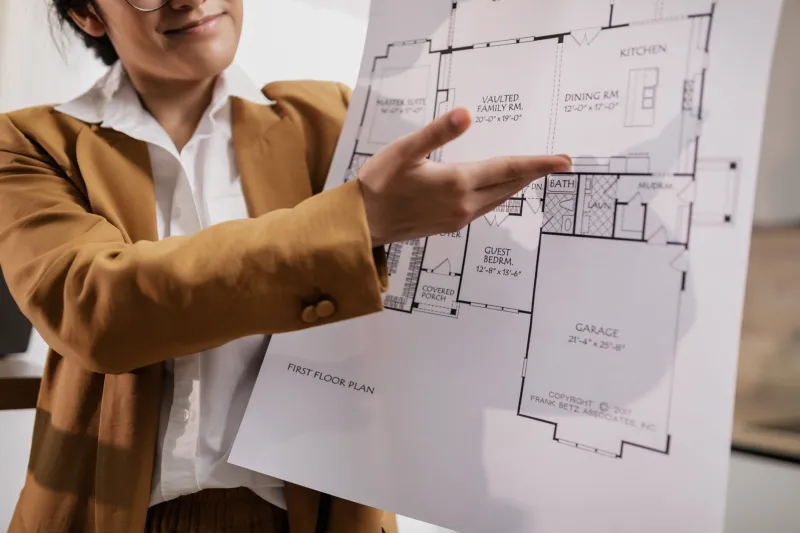
A buyer reads the Energy Performance Certificate: 94 square metres. The mortgage valuation arrives: 88 square metres. The estate agent’s particulars say 91 square metres. The property is the same. The walls have not moved. Yet three documents appear to describe three different homes.
This is not necessarily evidence of error, still less of deception. It is evidence that floor area is used for different purposes by different professionals. The EPC uses area to model energy performance. The valuation uses area as one input to an opinion of value. A measured survey uses area to record the physical extent of the property. Until those purposes are separated, the numbers will continue to confuse negotiations.
What the EPC floor area actually represents
An EPC is a document about energy performance. Its floor area figure exists to support the calculation of heat loss, energy use and carbon emissions. It is not produced as a legal measurement of the property and it is not intended to be used as a substitute for a measured survey.
Domestic energy assessors work within a regulated methodology, but the practical source of the floor area can vary. It may be measured on site, taken from plans, estimated from room dimensions or carried forward from existing records. Access constraints, loft conversions, extensions and irregular layouts can all affect the figure. The assessor’s primary duty is to produce a valid energy assessment, not to certify the precise gross internal area for conveyancing.
That does not make the EPC unreliable. It makes it fit for a different purpose. A buyer who treats the EPC area as a definitive statement of size is asking the document to do something it was never designed to do.
Why a valuation floor area can differ
A mortgage valuation is an opinion of value, not a measured survey. The valuer’s task is to advise the lender on whether the property provides suitable security for the loan. Floor area may be relevant, but it is rarely the central issue. Location, condition, comparable sales, tenure and market conditions usually carry more weight.
Valuers often work under time pressure and may rely on floor plans, EPC data, agent particulars or a desktop assessment. Where they do inspect, they may take approximate dimensions rather than a full measured survey. The resulting area may be rounded, derived from a different measurement basis, or simply carried forward from another source. It is not a promise that the property contains a specific number of square metres.
This matters in negotiations. A seller may point to the EPC. A buyer may point to the valuation. Neither document was commissioned to settle the question of floor area.
Where the measured survey fits
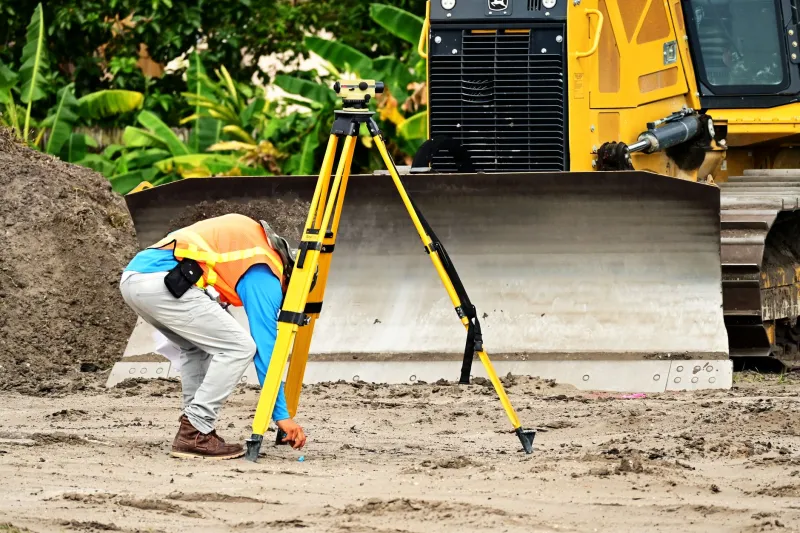
The independent measured survey exists to answer a narrower question: what is the physical extent of the property, measured on a stated basis? For residential property, that basis is often gross internal area, but the important point is that the basis is declared. A survey should state whether it includes internal walls, excludes voids, includes or excludes certain outbuildings, and how irregular spaces have been treated.
A measured survey is not automatically a valuation and it is not an EPC. It is a measurement exercise. That makes it particularly useful where floor area is material to price. A flat sold on a price per square metre, a new build with a quoted area, a conversion with an unusual layout or a house with a rear extension all warrant closer scrutiny than a portal-generated figure can provide.
The negotiation problem in 2026
Property listings increasingly aggregate data from multiple sources. An EPC figure may be pulled into a portal, repeated in agent particulars and then quoted in negotiation. Once a number is repeated often enough, it acquires an authority it may not deserve. A difference of five or six square metres may not sound dramatic, but at a high price per square metre it can represent a meaningful sum.
The practical question is not which number is ‘true’ in the abstract. It is which number is appropriate to the decision being made. For energy modelling, use the EPC. For lending, use the valuation. For comparing the physical size of two properties, use a measured survey on a consistent basis. Mixing the three creates avoidable disagreement.
When to order an independent measurement
An independent measurement is most valuable where area is likely to be relied upon in the transaction. That includes:
- New-build purchases where the quoted area is part of the marketing.
- Conversions and barn or loft conversions with irregular geometry.
- Leasehold flats where the demise and internal layout may be complex.
- Properties priced explicitly by square metre or square foot.
- Homes with extensions, infill or altered roof spaces.
- Landlord or investor decisions where area affects rent or compliance.
- Any listing where the stated area appears inconsistent with the EPC or valuation.
How to challenge a misleading listing
The first step is factual, not adversarial. Ask the agent for the source of the floor area and the basis on which it was measured. If the figure is derived from an EPC, ask whether it was independently measured. If it is from a plan, ask for the plan. A reputable agent should be able to explain the provenance of the data.
If the figure appears materially misleading, provide the evidence. A measured survey or a clear measurement schedule is more persuasive than a general complaint. Request that the listing be corrected. If the matter is not resolved, consumers can seek advice from Trading Standards or the relevant redress scheme. Legal advice should be taken where a transaction has already been affected.
The number to trust
There is no single floor area figure that is universally correct for every purpose. There are only figures that are fit for purpose and figures that are being asked to do too much. An EPC area is an energy-assessment input. A valuation area is a lending input. A measured survey area is a physical record.
Where the three diverge, the sensible response is not to choose the most convenient number. It is to identify what decision is being made and to commission the measurement that decision requires. In 2026, with floor area appearing in listings, certificates and valuations, that discipline is worth more than any single figure.